It’s your money.
Don’t leave it on the table.
With an HSA, you can save on your own terms, reduce taxes and build a healthcare cushion when you need it most.

Why open an HSA?
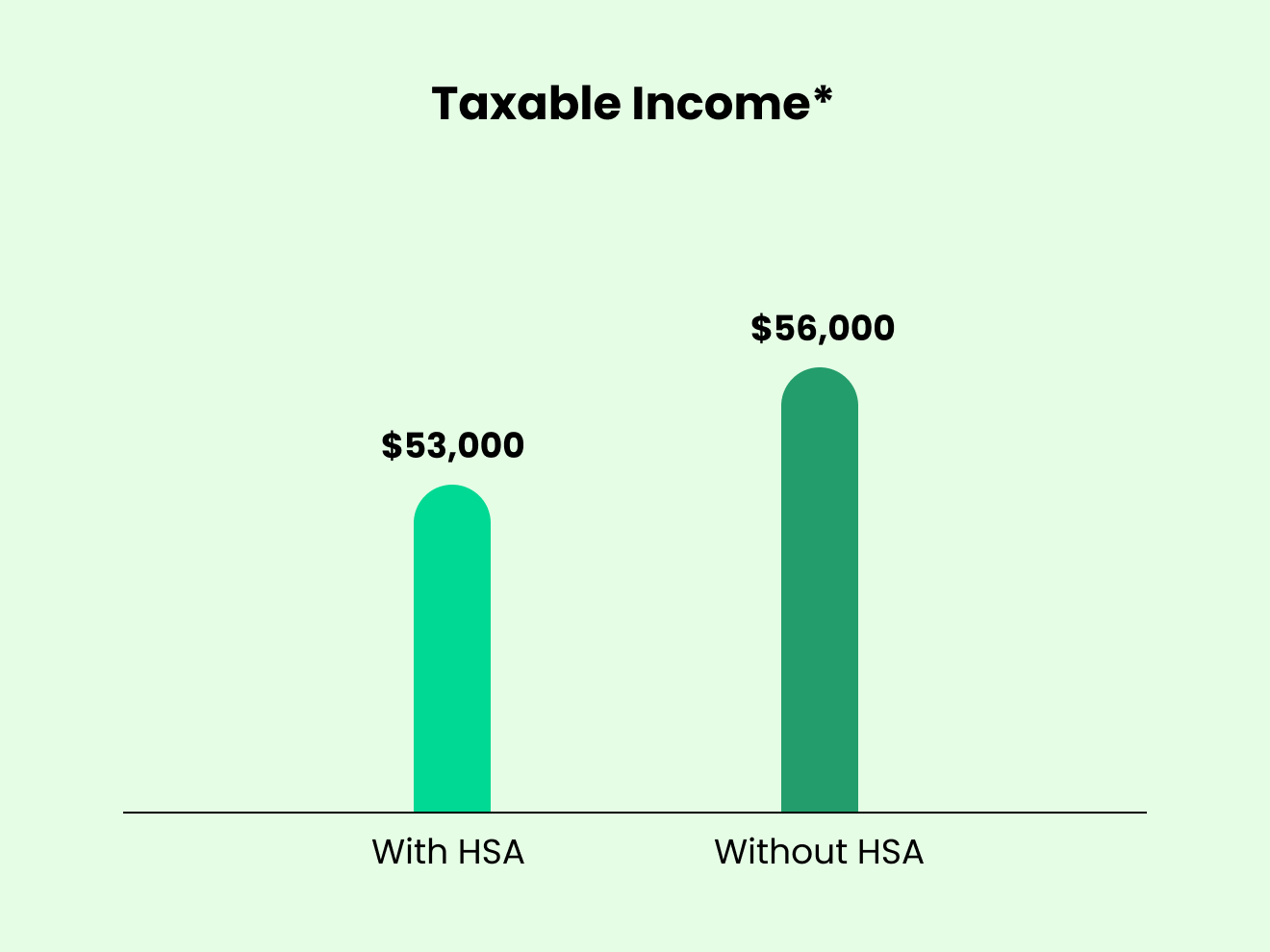
Use an HSA to pay for healthcare expenses with tax-free* dollars and keep more of your money.
Tap into tax savings
Your contributions are 1. tax deductible, 2. grow tax-free and 3. can be distributed tax-free for qualified healthcare expenses. The more money you put into your HSA, the more you’ll reduce your taxable income.
Plan for the unexpected
You can use your HSA to budget for predictable expenses, like doctor visits and prescriptions. You can also set funds aside for unexpected healthcare expenses, making higher deductibles easier to manage.
Own the account for life
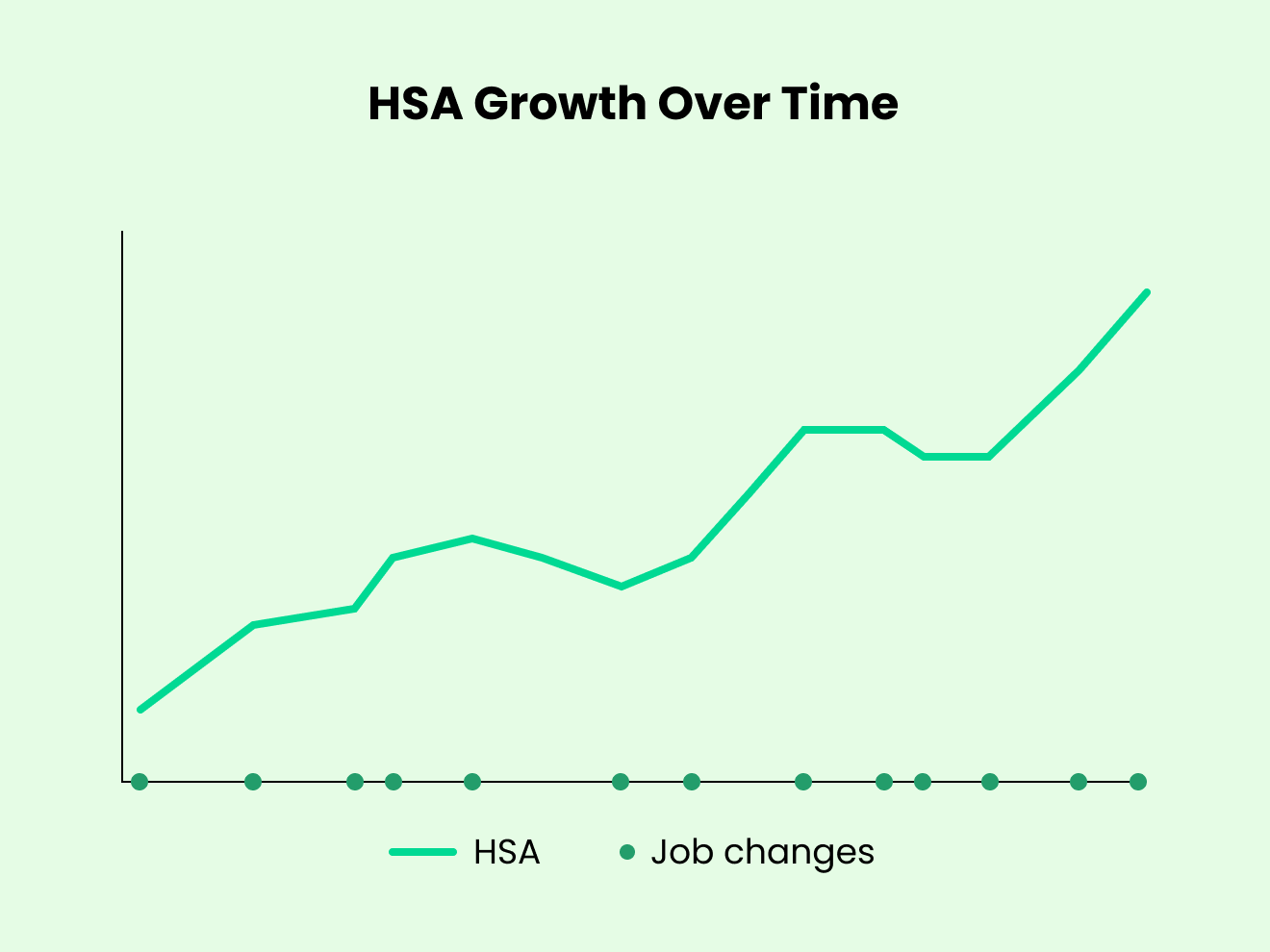
Unlike other employer-tied benefits, this HSA belongs to you. You can take the account with you if your job changes, you want to take a break or retire.
Think you don’t qualify? Think again.
If you purchased health insurance through the ACA or a state Marketplace, you could open an HSA with your Bronze or Catastrophic plan.
Your HSA questions, answered
If you want to open an HSA but still have questions, we’re here for you.
Federal tax savings for contributions and earnings are available regardless of your state. State tax savings may not be available in every state. HSA Bank doesn’t provide tax advice. Consult your tax professional for tax-related questions.
No, HSA funds roll over from year to year, allowing your balance to grow over time.
Yes, HSA Bank offers investment options for your HSA.**
You can pay for IRS-qualified healthcare expenses with funds from your HSA by using your HSA Bank-issued debit card. You can also reimburse yourself later in your online account for any IRS-qualified expense paid out of pocket.
Anyone may contribute to your HSA on your behalf, as long as you are HSA-eligible and the amount is within the annual IRS contribution limits.
The main requirement for opening an HSA is having an HSA-eligible health plan, typically a high-deductible health plan (HDHP), Bronze plan or Catastrophic plan, that meets IRS guidelines for the annual deductible and out-of-pocket maximum. To be an eligible individual and qualify for an HSA, you must also meet the following requirements.
- You must be covered by the HSA-eligible health plan on the first day of the month in which you plan to start contributing to your HSA.
- You can’t be covered by any other type of health plan, including Medicare Part A or Medicare Part B.
- You can’t be covered by TRICARE.
- You can’t have used your medical benefits from Veterans Administration for any non-service-connected disabilities at any time during the previous three months (to contribute to an HSA). Note: Title 38 of the United States Code, Section 101(17) defines "non-service-connected" as, with respect to disability, that such disability was not incurred or aggravated in line of duty in the active military, naval, or air service.
- You can’t be claimed as a dependent on another person's tax return.
- You aren’t covered by a general purpose healthcare Flexible Spending Account (FSA) or Health Reimbursement Account (HRA). Alternative plan designs, such as a limited-purpose FSA or HRA, might be permitted.
- You must have a valid email address, Social Security number and a primary residence in the United States.
*HSA contributions and earnings aren’t subject to federal taxes and aren’t subject to state taxes in most states. Contact a tax professional for information about your state.
**SECURITIES AND INVESTMENTS
| Not Insured by FDIC or Any Other Government Agency | Not Bank Guaranteed | Not Bank Deposits or Obligations | May Lose Value |
|---|
Past performance is not indicative of future results.
Annual asset-based fees may apply and are deducted from the investment balance on a quarterly basis. Accountholders can view exact fees in their online account.
DriveWealth, LLC, a registered broker-dealer and Member FINRA/SIPC, is the clearing broker and custodian of your assets in the HSA Invest program. Investment advisory services are offered through Precision Fiduciary Partners, LLC, an SEC-registered investment advisor. Registration does not imply a certain level of skill or training. Additional information about Precision Fiduciary Partners can be found in its Form ADV Part 2, Form CRS and Privacy and Cookies Policy, which are available to the accountholder in their online account.
HSA Bank is not registered as a broker-dealer or investment advisor. Neither HSA Bank nor DriveWealth provide investment advice to HSA Invest program investors. HSA Bank, DriveWealth and Precision Fiduciary Partners are not affiliated, not responsible for the products and services offered or provided by the other and do not provide legal or tax advice.
The Mesirow and Precision Fiduciary Partners, LLC names and logos are registered service marks of Mesirow Financial Holdings, Inc. Mesirow refers to Mesirow Financial Holdings, Inc. and its divisions, subsidiaries and affiliates.
